In automotive casting–welding integrated machines, failures rarely start with a red alarm.
They start with small, untraceable deviations:
1 A weld spot slightly weaker than yesterday
2 A laser weld depth drifting by fractions of a millimeter
3 A clamp pressure that “looks normal” but isn’t repeatable
The line keeps running.
The PLC reports no fault.
And weeks later, quality issues surface downstream — when the cost is already multiplied.
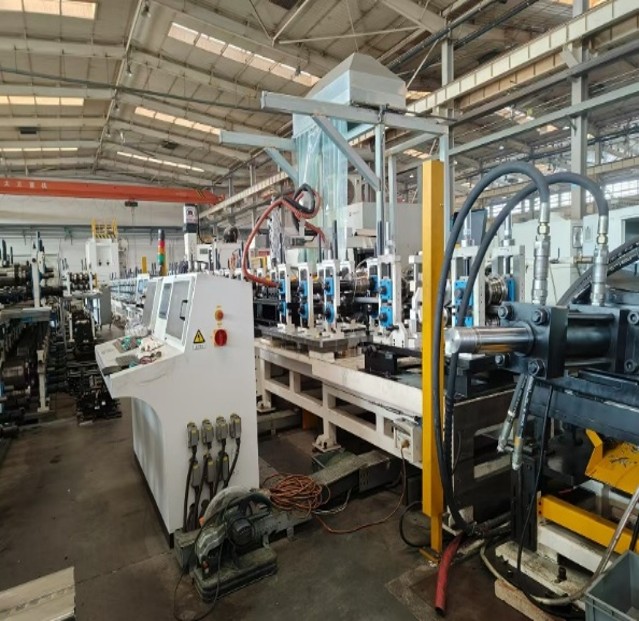
The Reality Customers Face on the Shop Floor
From the customer’s perspective, the hardest problems in welding systems are not logic errors, but uncertainty.
In real automotive welding environments:
1 High-current welding generates intense electromagnetic interference
2 Motors, valves, and heaters switch constantly
3 Temperature and pressure change dynamically under tight takt times
What customers experience is not total failure, but a gradual loss of control confidence:
1 Did the valve really switch at the exact moment?
2 Was that motor already overheating before the weld started?
3 Was the pressure feedback stable, or just “acceptable” at that instant?
And when something does go wrong, another question immediately follows:
Where exactly is the problem — and how fast can we find it?
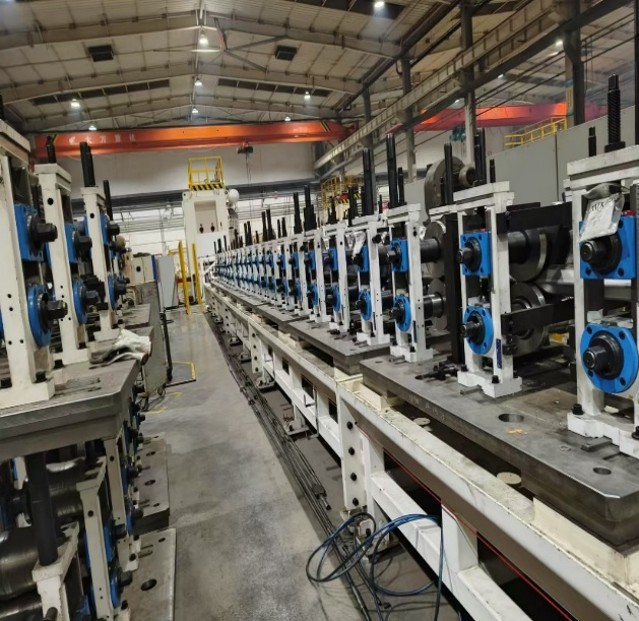
Why Conventional I/O Architectures Become the Bottleneck
Most welding machines rely on distributed I/O that is “PLC-compatible” but not welding-ready.
Under continuous PROFINET traffic and heavy EMI:
1 Digital inputs miss short pulses from gratings and limit switches
2 Output timing jitters under load, affecting weld synchronization
3 Analog pressure values fluctuate just enough to impact consistency
4 Temperature feedback arrives too late to prevent thermal drift
None of these issues trigger an immediate stop.
But together, they quietly erode welding repeatability.
This is why customers often say:
“The PLC is fine. The program hasn’t changed.
But the process isn’t stable anymore.”
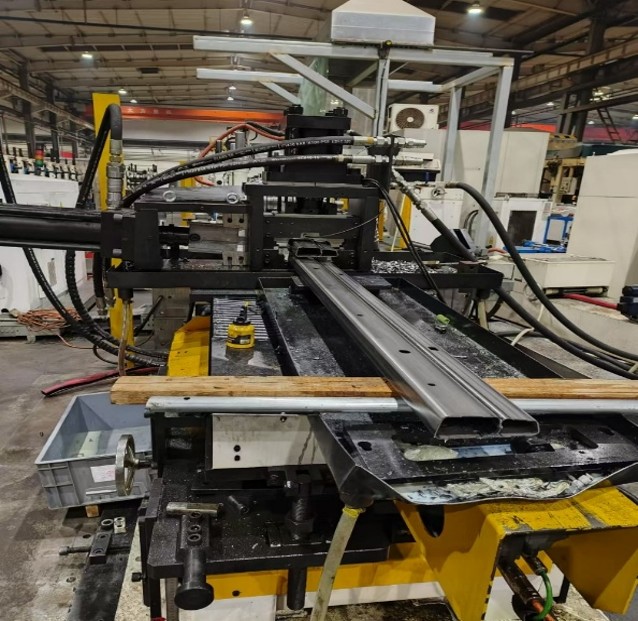
Why This Machine Was Built Around ODOT C-Series I/O
In this automotive die-casting and welding system, the customer selected a Siemens S7-1200 PLC for logic control — but refused to compromise at the field level.
Two groups of ODOT C-Series Remote I/O were chosen as PROFINET slaves, not only for communication stability, but for long-term operability and maintainability on the shop floor.
Deterministic Control Under Harsh Conditions
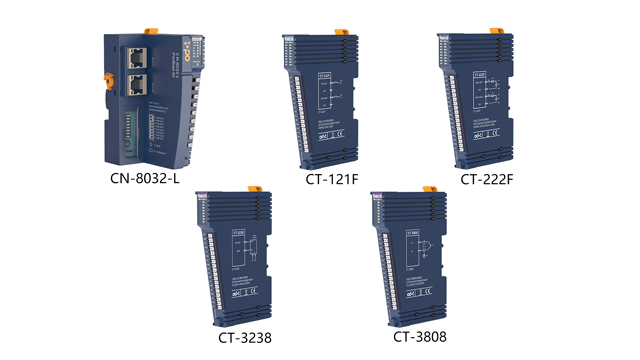
CN-8032-L PROFINET Adapter
Ensures stable, deterministic communication even during welding interference, eliminating random I/O response delays.
CT-121F Digital Input Modules
Reliably capture motor feedback, valve states, safety gratings, and limit switches — preventing missed signals that silently disrupt welding sequences.
CT-222F Digital Output Modules
Provide precise, repeatable control of motors, valves, and heaters, ensuring every weld cycle executes exactly as designed.
CT-3238 Analog Input Modules
Deliver pressure feedback that remains stable over time, supporting consistent clamping force and weld quality across shifts.
CT-3808 Thermocouple Modules
Monitor motor and heater temperatures in real time, enabling early intervention before thermal drift impacts the welding process.
Faster Troubleshooting When Every Minute Counts
Beyond signal performance, ODOT C-Series I/O is designed for real-world maintenance efficiency.
1 LED light-guide terminals provide clear, intuitive indication of channel and signal status
2 On-site engineers can instantly identify abnormal I/O points without opening cabinets or tracing wiring
3 Fault localization time is reduced from hours to minutes, directly minimizing unplanned downtime
In automotive production, fast fault visibility is not a convenience — it is a productivity safeguard.
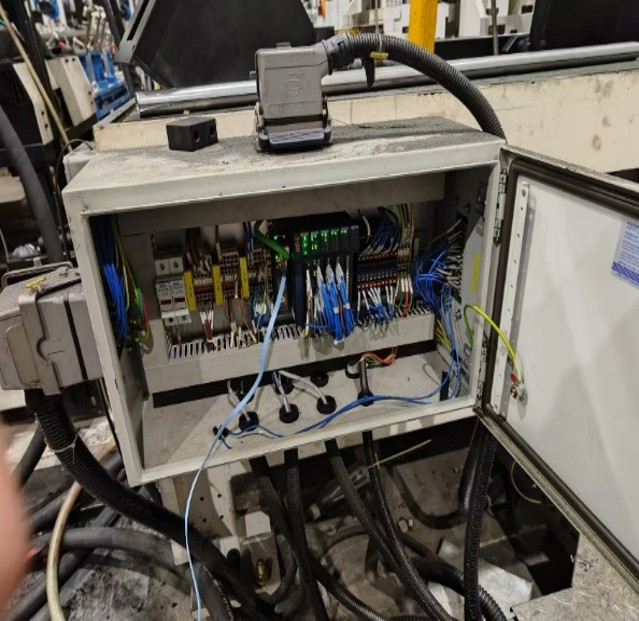
ODOT C-Series I/O is built with long-term reliability in mind:
1 TÜV Rheinland certified, meeting internationally recognized industrial standards
2 Strict component selection and end-to-end quality control (QC) processes ensure product consistency
3 Non-potting design improves maintainability while reducing long-term service costs
Hardware reliability is further reinforced by ODOT’s 7×24H technical support service, providing customers with professional assistance throughout commissioning, ramp-up, and long-term operation.
When issues arise, customers benefit from:
1 Rapid response from experienced automation engineers
2 Clear guidance for troubleshooting and system optimization
3 Reduced operational risk through timely technical intervention
What the Customer Really Buys: Process Certainty
ODOT is not selected to “add I/O points”.
It is selected because it closes the gap between what the PLC believes and what the machine is actually doing — and makes that gap visible and controllable.
For automotive welding customers, this means:
1 Fewer hidden quality risks
2 Faster root-cause analysis on the shop floor
3 Predictable welding performance across long production cycles
4 Confidence that the field layer will not undermine the control strategy
In high-volume automotive production,
unstable I/O doesn’t stop the line — it quietly damages quality.
ODOT C-Series I/O is chosen because it turns invisible risks into controlled, diagnosable, and repeatable processes.